

Simplified Guide to Building a Custom Home with KGC
What every homeowner should know about finding land and designing their dream home.
Building a custom home is one of the largest financial and lifestyle decisions most families will ever make. It's exciting, but it can also feel overwhelming if you don't know where to start.
The good news is that custom homebuilding doesn't have to be complicated. Most of the horror stories you hear can be traced back to poor planning, unrealistic expectations, or a lack of communication.
This guide is designed to help you understand the process, avoid common mistakes, and make informed decisions before investing significant time and money.
What to Expect from This Guide
❋ Start With Your Budget, Not Your PlanA realistic budget is the foundation of a successful custom home and should guide every decision that follows.
❋ Choose The Right LotYour lot influences everything from the home's design and orientation to construction costs and long-term value.
❋ Understand What Drives CostThe design phase transforms your ideas and priorities into a home that fits your family, lifestyle, lot, and budget.
❋ Financing Your HomeA successful build depends on clear communication, thoughtful planning, and proactive management from start to finish.
❋ What to Expect During DesignThe biggest factors affecting cost are often design choices and finish selections, not just square footage.
❋ What to Expect During ConstructionUnderstanding construction financing early helps eliminate surprises and keeps your project moving smoothly.
Step 1:
Start with Your Budget, Not Your Plan
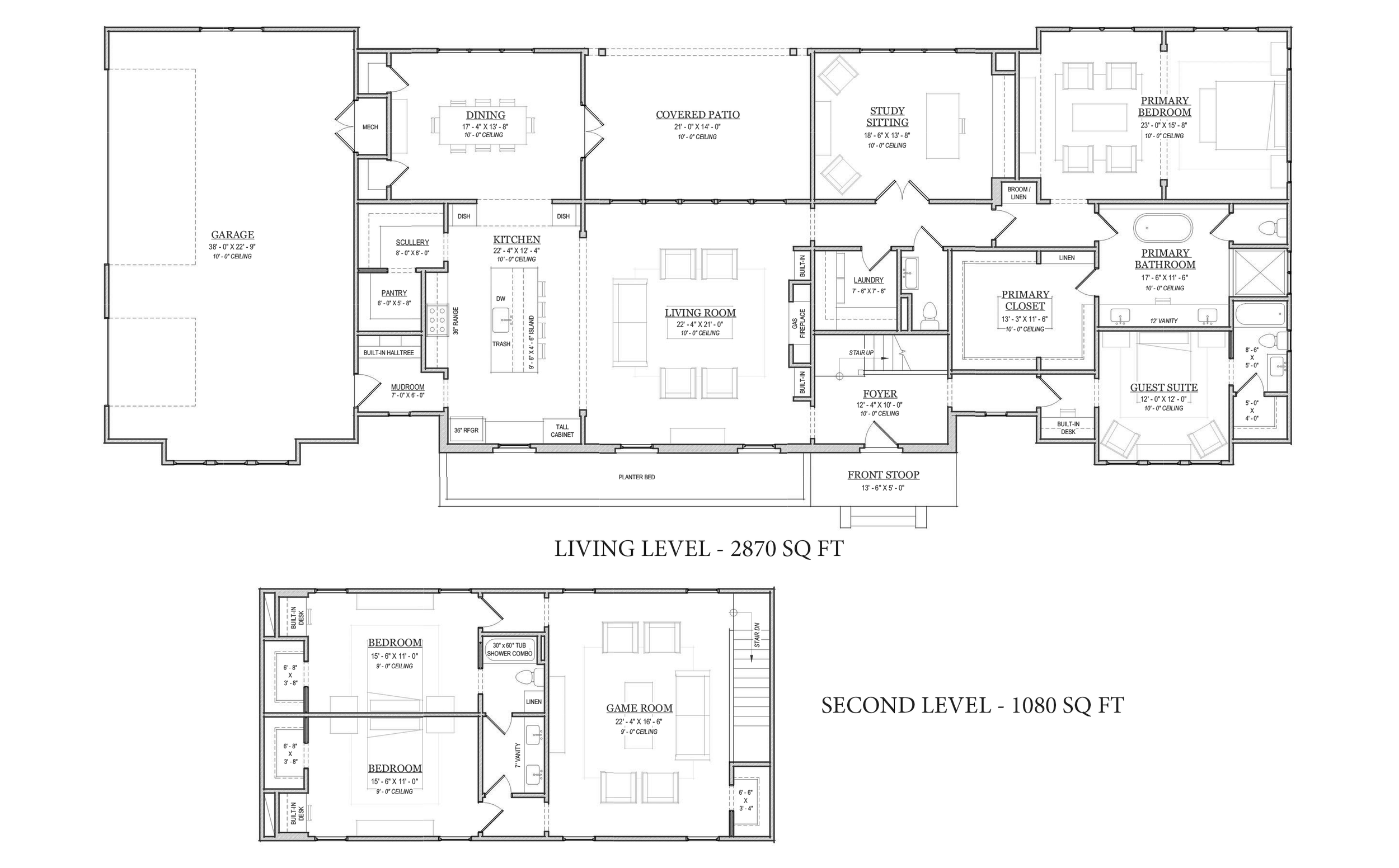
One of the most common mistakes people make is falling in love with a home they haven't priced.
Before hiring an architect or purchasing plans, spend some time understanding what you're comfortable investing in your home. A realistic budget will help guide every decision that follows.
A common misconception is that square footage alone determines cost. While size certainly matters, the biggest pricing variables are often the finishes and selections inside the home.
For example:
Tile can cost $5 per square foot or $60 per square foot.
Countertops can range from a few thousand dollars to tens of thousands.
Cabinets, flooring, lighting, trim, hardware, and appliances all vary dramatically in price.
The structure of the home may account for much of the budget, but the selections often determine whether a project lands at the lower or upper end of the price range.
Questions to Ask Yourself
What is my ideal budget?
What is my maximum budget?
Which features are non-negotiable?
Where am I willing to compromise?
Step 2:
Choose the Right Lot
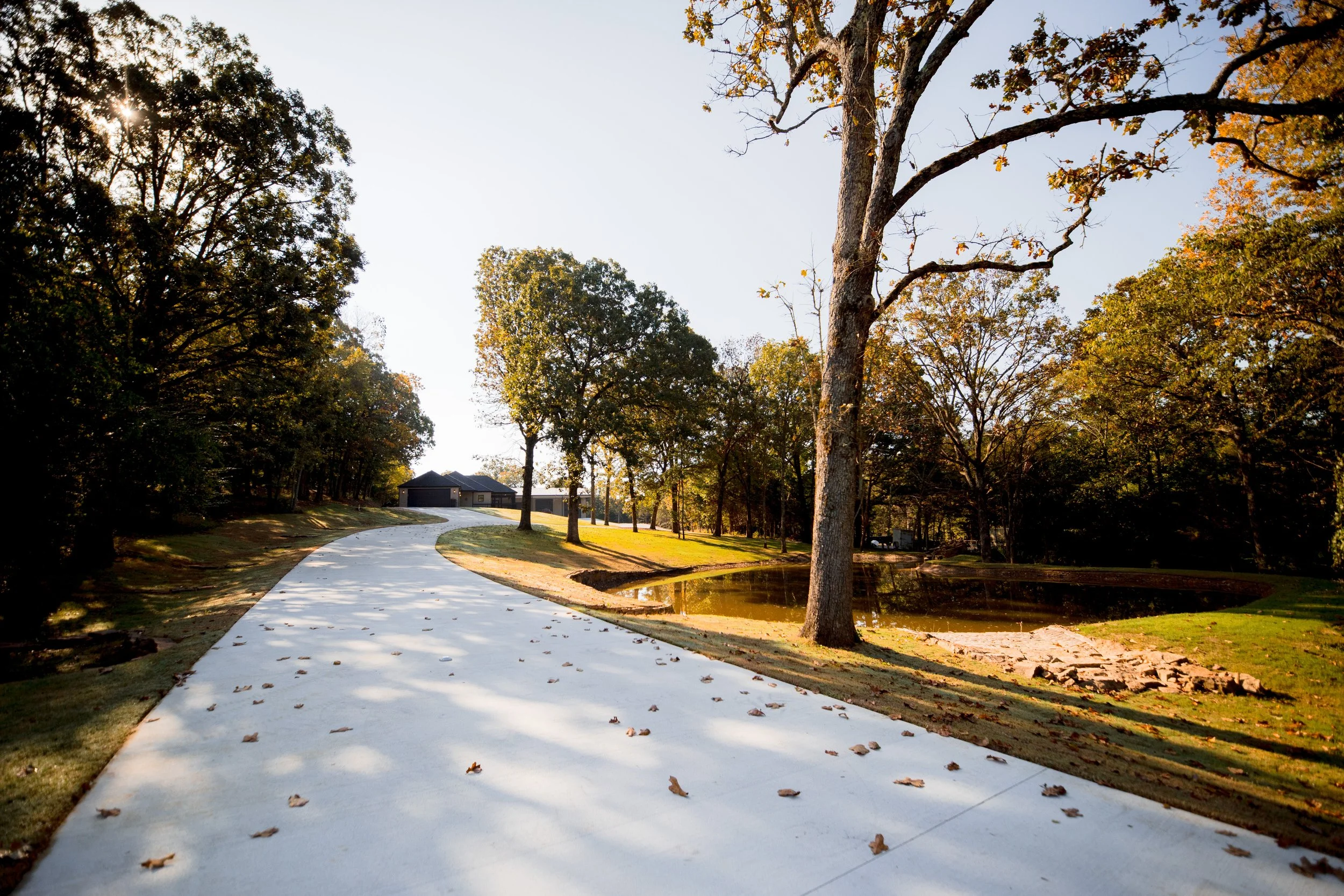
In most cases, we recommend selecting your lot before finalizing the home's design.
The lot influences:
Home orientation
Views and Natural Lighting (Window Sizes and Locations)
Driveway location
Foundation requirements
Utility costs
Outdoor living spaces (Door Locations)
Setbacks and building restrictions
A well-designed custom home should fit the lot, not force the lot to fit the home.
Lot Selection Considerations
Topography
Utilities availability
Soil conditions
Privacy
Sun exposure
Future development nearby
School districts
Commute times
Step 3:
Understand What Drives Cost
Many people ask:
"How much does it cost per square foot to build?"
The honest answer is: it depends.
Square foot pricing can be useful for rough planning, but it should never be treated as a guaranteed construction budget.
Not every square foot costs the same amount to build.
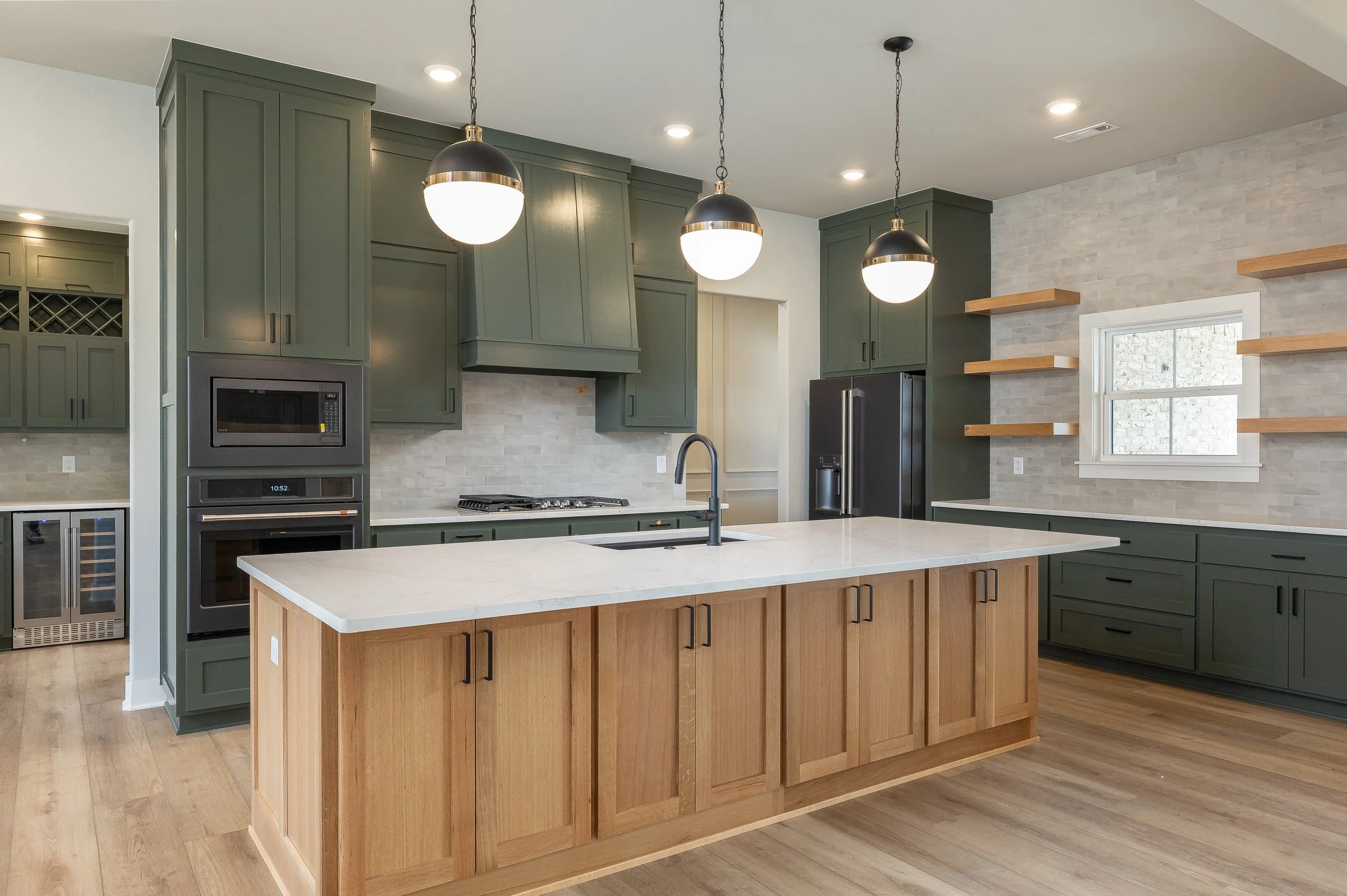
A square foot containing cabinetry, plumbing, tile, or custom trim costs significantly more than a square foot in a bedroom or hallway.
Major Cost Drivers
Home size
Architectural complexity
Site conditions
Foundation requirements
Windows and exterior materials
Cabinetry and millwork
Flooring and tile
Countertops
Appliances
Landscaping and outdoor living spaces
Reality Check
The last several homes built by KGC Custom Homes have ranged from approximately $200 to $300 per square foot after builder fees, depending on design complexity and finish selections. It’s important to be honest with yourself, when it comes time to make finishes selections, will you opt for the highest end products and materials or will you opt to save money where you can?
Step 4:
Financing Your Home
Most custom homes are financed using a construction loan.
The process is often simpler than clients expect.
Generally, you'll need:
A homesite
Preliminary plans
A builder budget
Loan approval
Once financing is approved and closed, construction can begin.
Throughout the project, the bank releases funds in stages as work is completed.
Step 5:
What to Expect During the Design Phase
Most homeowners begin with:
Pinterest boards
Saved photos
Ideas from friends
Floor plans they like online
That's normal.
The design phase is about turning those ideas into a home that works for your family's lifestyle, budget, and lot.
At this stage, you'll make decisions about:
Layout
Architectural style
Exterior materials
Interior finishes
Cabinetry
Lighting
Appliances
Storage
Outdoor spaces
The earlier these decisions are made, the smoother construction tends to go.

Step 6:
What to Expect During the Construction Phase
Construction is rarely a perfectly straight line.
Weather happens.
Material delays happen.
Unexpected site conditions happen.
The goal isn't to eliminate every challenge. The goal is to identify issues early, communicate clearly, and solve problems before they become expensive.
A healthy construction process includes:
Regular communication
Budget transparency
Schedule updates
Clear decision deadlines
Documented change requests
The best projects are typically the ones where expectations are aligned from the beginning.
Common Mistakes to Avoid
Designing Before Establishing a Budget This is probably the most expensive mistake homeowners make. Choosing a Builder Based Solely on Price The lowest bid is rarely the lowest final cost. Waiting Too Long to Make Selections Late decisions often create delays and additional costs. Assuming Bigger Means Better A well-designed 3,000-square-foot home often lives better than a poorly designed 4,000-square-foot home. Not Understanding the Financing Process Construction loans are straightforward when planned properly, but surprises can create unnecessary stress.

Choosing the Right Builder
Every builder operates differently.
Some clients want to be involved in every detail. Others prefer a team that handles the day-to-day management while keeping them informed.
Neither approach is right or wrong.
The key is finding a builder whose process matches your expectations.
Questions worth asking any builder include:
How do you communicate with clients?How do you handle budget updates?How do you manage change orders?How often will I receive progress updates?Can I see examples of your reporting process?Final Thoughts
Building a custom home should be exciting.
The best projects start with realistic expectations, thoughtful planning, and open communication. Whether you're ready to build today or simply exploring your options, investing a little time upfront to understand the process can save months of frustration later.
If you'd like help evaluating a homesite, establishing a realistic budget, or understanding what type of home fits your goals, we'd be happy to have a conversation.